
Engineering notes on AI hardware.
Bandwidth math, quantization tables, and procurement analysis for AI hardware buyers — workstation, server, and edge selection, with primary-source citations. Explainers, not buying guides.

NVMe form factors explained: M.2, U.2, E1.S, and E3.S
M.2, U.2, E1.S, E3.S, E1.L: the NVMe form factors explained. What each shape is for, why thermals decide which one a machine uses, and the AI angle.
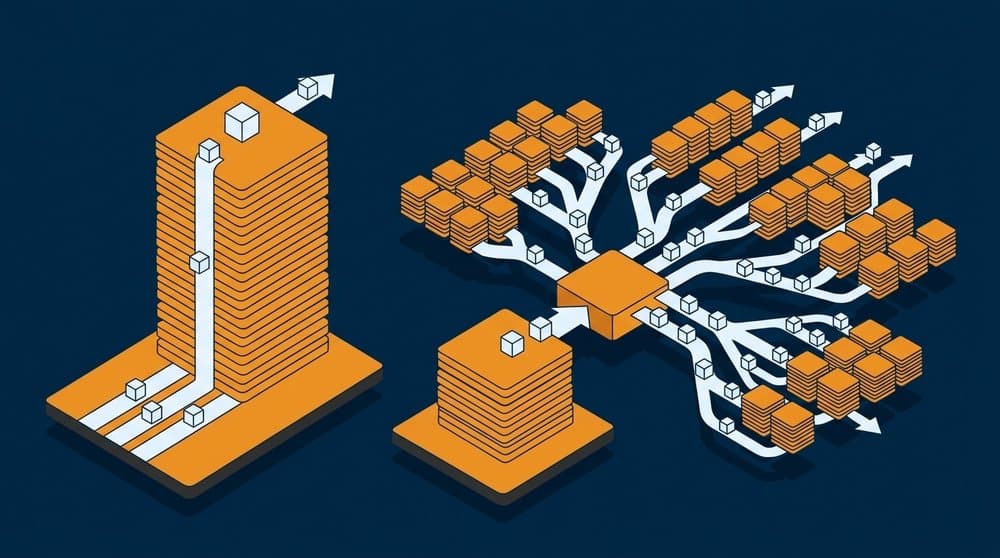
MoE vs Dense: how mixture-of-experts changes the memory math
A mixture-of-experts model needs the same memory to load as a dense model its size, but runs far faster. Here is the math, and where people get it wrong.
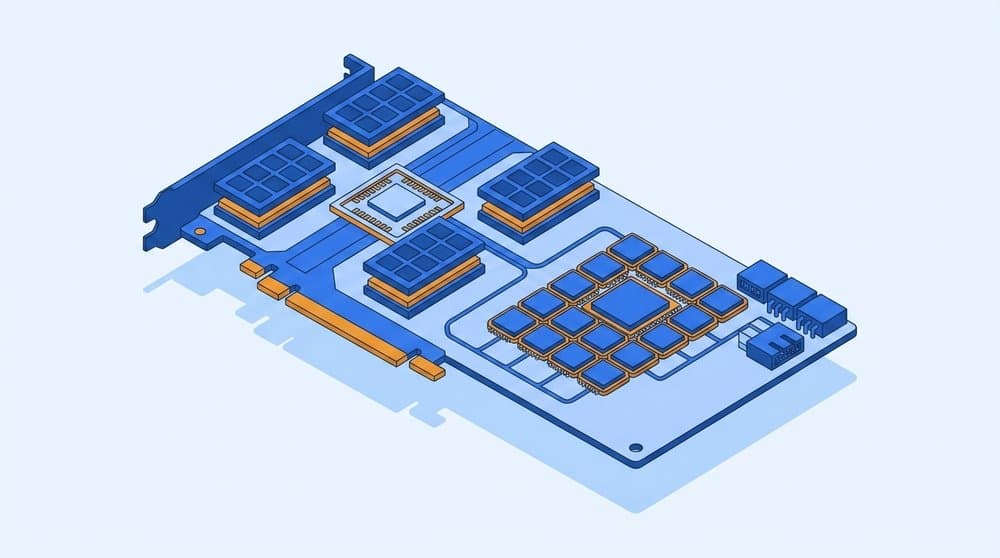
DDR5 vs LPDDR5X: what the difference actually means for AI workloads
DDR5 and LPDDR5X are the same DRAM generation in two very different packages. Here's how each works, the bandwidth math, and where AI hardware uses which.

What are the best servers to run Microsoft Hyper-V?
Hardware requirements and configurations for running Microsoft Hyper-V — CPU, memory, storage, and network considerations for whitebox virtualization hosts.
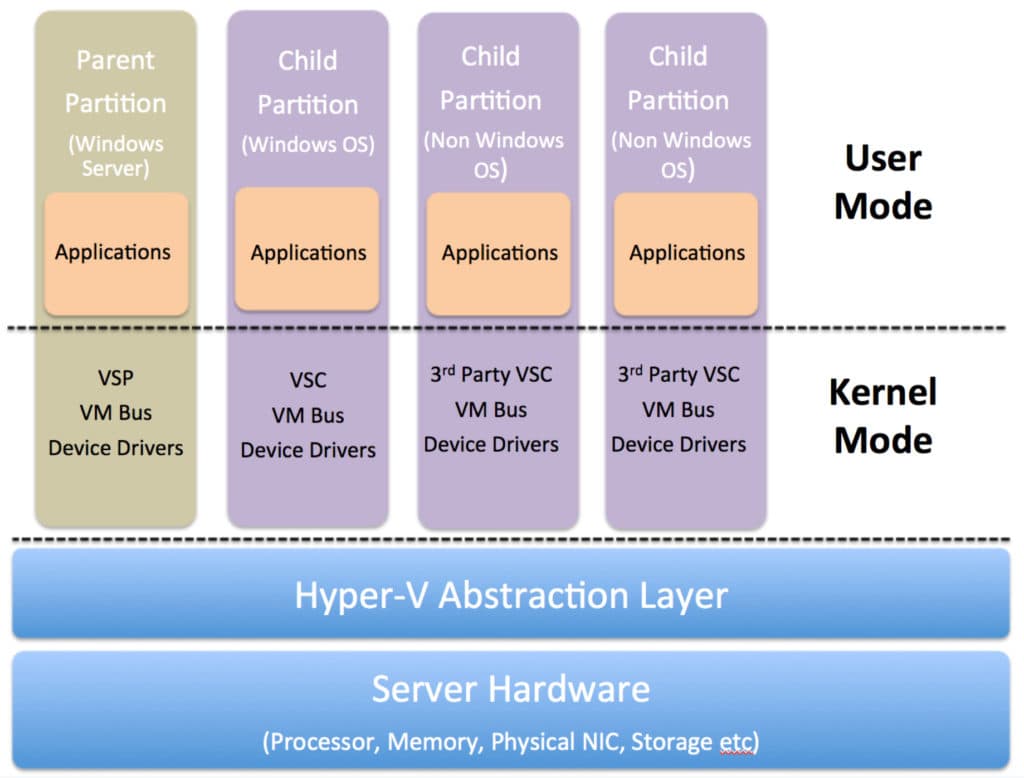
The 8 best use cases for Microsoft Hyper-V
The top 8 use cases for Microsoft Hyper-V — maximizing hardware usage, minimizing downtime, reducing data center footprint, and supporting development and troubleshooting.
How to buy the right Supermicro server
Five steps to picking the right Supermicro server — analyzing needs, calculating budget, matching workloads to platforms, choosing a vendor, and getting expert help.

Whitebox server advantage
Whitebox servers use the same or superior components as branded systems but cost less and customize further — and the software-defined data center is what made it possible.
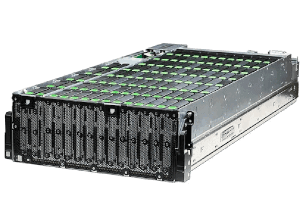
What is JBOD?
JBOD (just a bunch of disks) is a cost-effective storage solution that adds high-density data storage by connecting multiple hard drives in a single chassis enclosure.
Talk to a sales engineer.
Send us the model(s), the framework, the concurrency target, and the deployment site. We’ll come back with a configuration, lead time, and the tradeoffs that matter for your workload.